Cost of Full Mouth Dental Implants: Complete Pricing Guide for 2026
Full mouth dental implant costs, what's included, and timelines explained for patients in Cicero, IL.
Full mouth dental implants typically cost $24,000 to $50,000 per arch, depending on whether you choose implant-supported dentures, All-on-4, or a traditional full-arch design with more implants. Simpler removable options sit at the lower end, while fixed zirconia bridges with additional implants and bone grafting push costs higher. The right number for you depends on your bone health, the materials used, and what's actually bundled into the quote.
What's Actually Included in a Full Mouth Implant Quote?
Most quotes cover the surgical placement of implants and the final prosthesis, but not much else — which is why two "similar" quotes can differ by thousands of dollars. Before comparing prices, ask whether the quote includes:
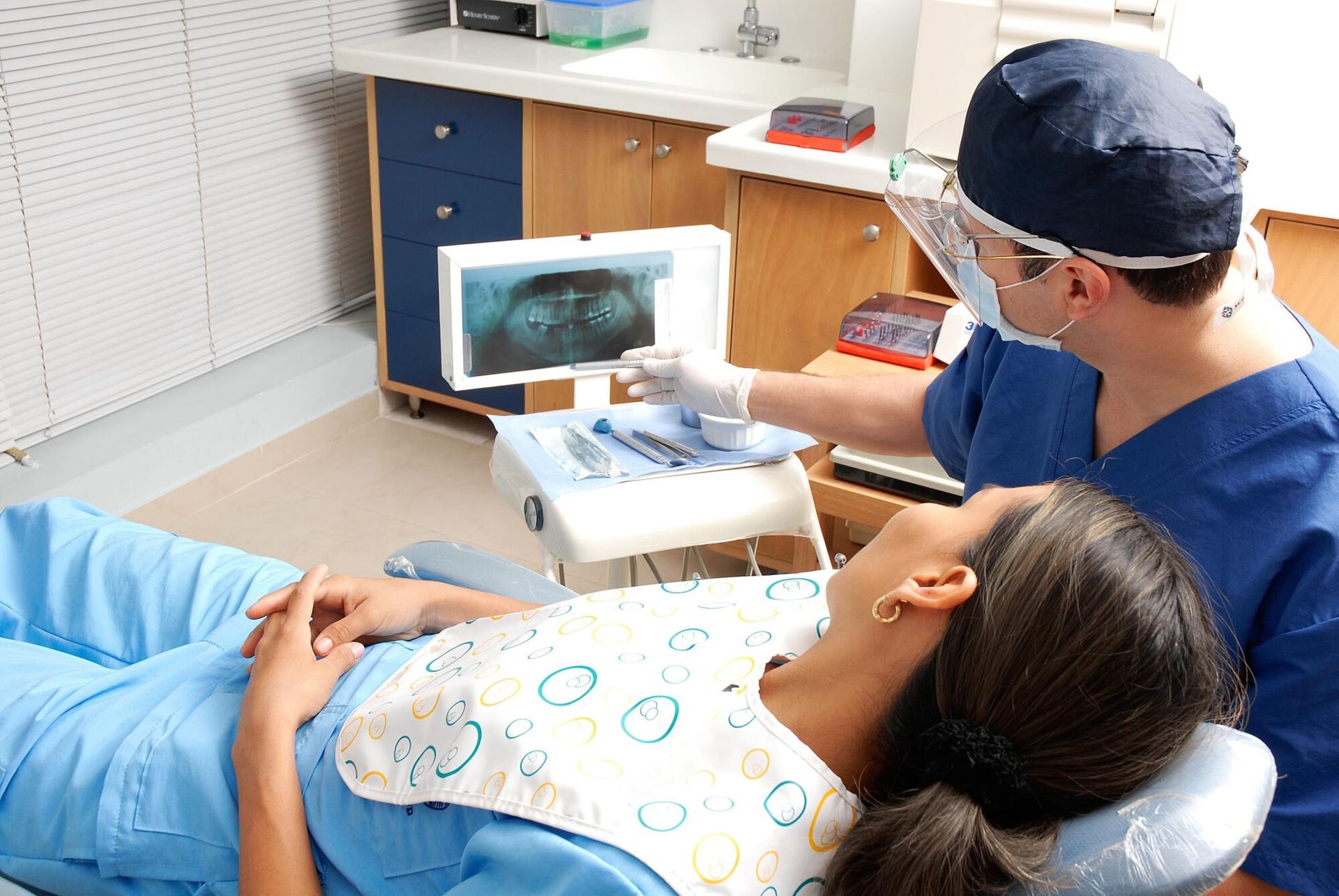
- Initial consultation and CBCT 3D scan
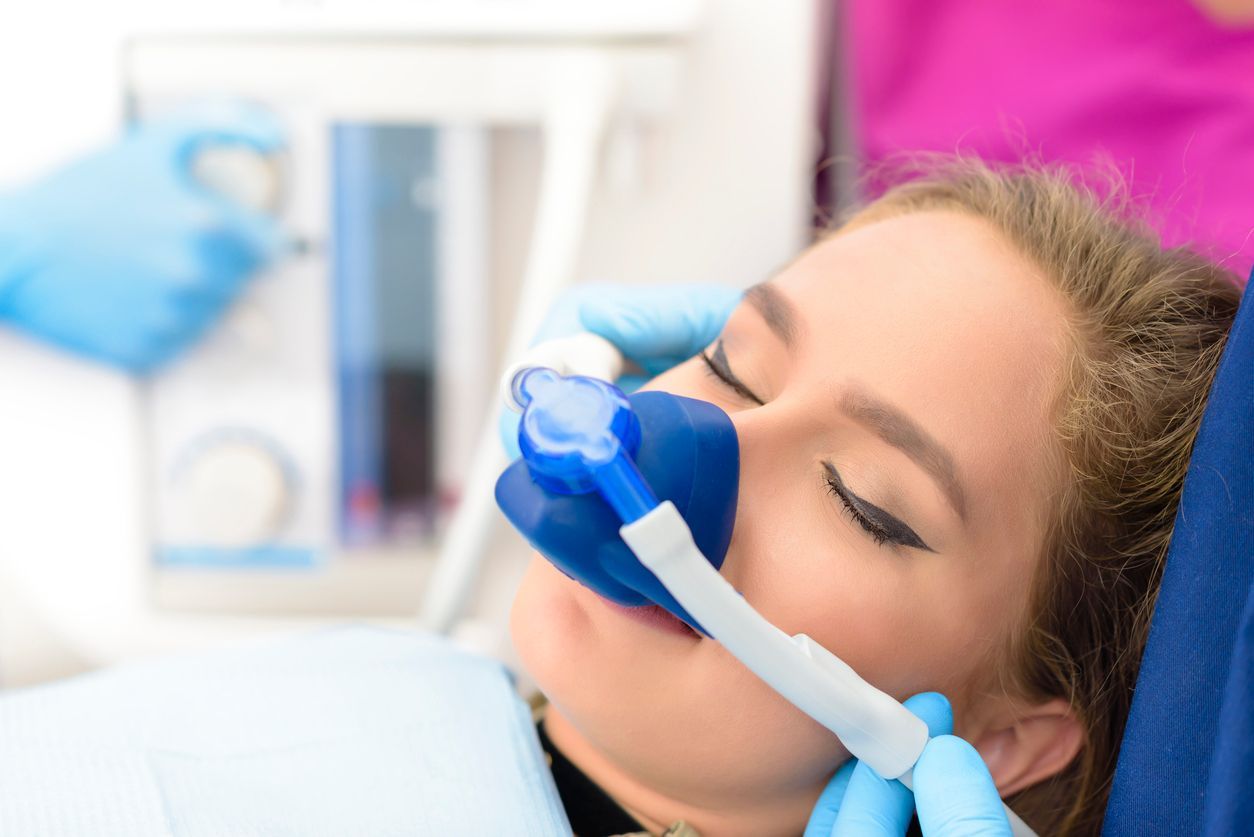
- Sedation or anesthesia
- Tooth extractions (if needed)
- Temporary teeth worn during healing
- The final prosthetic arch (acrylic or zirconia)
- Follow-up adjustment visits
- Any warranty on the prosthesis or implants
A quote that looks cheaper on paper may exclude the scan, sedation, or temporary teeth, adding more expenses back on later. Ask for a written breakdown line by line, not just a total.
How Much Do Full Mouth Dental Implants Cost?
Treatment TypeTypical Cost (Per Arch)Best ForImplant-supported dentures$6,000–$14,000 (plus implants)Patients wanting a removable, budget-conscious optionAll-on-4$18,000–$28,000Patients with moderate bone loss wanting a fixed archTraditional full-arch (6-8 implants)$28,000–$50,000+Patients wanting maximum stability and minimal future bone loss
These figures are general ranges based on national pricing patterns; verify exact figures with a local provider, since lab fees, materials, and regional overhead all shift the total. For patients researching full mouth dental implants cost Cicero, local quotes tend to track close to broader Chicagoland pricing, though a consultation is the only way to get an accurate number for your case.
What Factors Affect the Final Cost?
- Number of implants placed — more implants generally means more stability but a higher bill
- Prosthetic material — acrylic is less expensive; zirconia costs more but resists staining and wear better
- Bone grafting — needed when jawbone has thinned from missing teeth, adding $500–$3,000 per site
- Case complexity — extractions, gum disease treatment, or sinus lifts add time and cost
- Sedation type — IV sedation costs more than local anesthesia alone
All-on-4 vs. Traditional Full-Arch vs. Implant-Supported Dentures
All three options replace a full arch of teeth, but they differ in how many implants are used and how the prosthesis attaches.
All-on-4 uses four strategically angled implants to support a fixed arch, which may reduce the need for bone grafting in some patients with bone loss. It's a common middle-ground choice — fixed in the mouth, but fewer implants than a traditional full-arch case.
Traditional full-arch treatment may use six to eight implants per arch, distributing bite force across multiple anchor points. Your dentist may recommend this approach if you have adequate bone density and want the most implant support long-term.
Implant-supported dentures rest on two to four implants but can still be removed for cleaning. They cost less upfront but generally need more adjustments and relines over time.
"Patients often assume the cheapest option upfront is the cheapest option overall, but that's not always true," says Dr. Monil Shah, DMD, of Central Dental Associates. "A removable implant denture might cost less at the start, but it typically needs relining or replacement parts every few years. A fixed zirconia arch costs more initially but tends to need less ongoing maintenance — so the real comparison has to include the next ten years, not just the treatment day."
What Is the Treatment Timeline?
A typical full mouth implant case unfolds over several months:
- Consultation and CBCT scan (Day 1) — bone volume, sinus position, and bite are mapped digitally
- Extractions and implant placement (Day 1, often same-day) — temporary teeth may be attached immediately when appropriate.
- Healing period (3–6 months) — implants fuse to the jawbone (osseointegration); Eating recommendations vary during healing, and your dentist will provide specific instructions based on your treatment.
- Final prosthesis fitting (Month 4–6) — the temporary arch is replaced with the permanent zirconia or acrylic bridge
Swelling and soreness after surgery generally improve within 5–7 days, though full bone healing takes longer. Patients traveling from outside Cicero should expect multiple in-person visits, depending on their treatment plan and healing needs.
What Are the Risks and Long-Term Costs?
Implant failure, infection, or peri-implantitis (gum inflammation around an implant) are the main risks, though rates are generally low when patients follow post-op care instructions. Long-term costs to budget for include:
- Annual cleanings and check-ups ($150–$400/year)
- Occasional prosthesis relines or repairs ($300–$1,500)
- Possible replacement of the prosthesis after 10–15 years, depending on material and wear
Zirconia arches tend to hold up longer than acrylic before needing replacement, which is worth weighing against the higher upfront cost.
Does Insurance or Financing Cover This?
Standard dental insurance rarely covers full mouth implants in full, since many plans provide limited or no coverage for implant treatment; some plans contribute toward extractions, bone grafting, or the crown portion. Financing through CareCredit, in-house payment plans, or medical credit lines is common, and many practices offering full mouth restoration in Cicero, IL will walk through eligibility during the consultation. Verify specific coverage with your insurance provider before treatment.
Frequently Asked Questions
Q.1 Is Full Mouth Implant Surgery Painful?
A: Most patients report manageable discomfort, similar to a tooth extraction, controlled with prescribed pain medication for the first few days. Swelling typically peaks around day 2–3 and improves within a week. Sedation options are available for patients with anxiety about the procedure.
Q.2 How Long Do Full Mouth Implants Last?
A: The titanium implants themselves can last 20+ years or longer with good oral hygiene and regular checkups. The prosthetic arch on top typically needs replacement or relining every 10–15 years, depending on material and daily wear.
Q.3 Can I Get a Cost Estimate Before Committing to Treatment?
A: Yes — a CBCT scan and consultation typically produce a written, itemized quote covering implants, prosthesis, and any grafting needed. Ask specifically what's included so you can compare it accurately against other quotes you've received.
Schedule a Full Mouth Restoration Consultation
If multiple dental problems are affecting your comfort, confidence, or ability to eat, a personalized consultation can help identify the best treatment plan for your needs. At Central Dental Associates, we provide comprehensive full mouth restoration for patients in Cicero and surrounding communities, creating customized solutions to restore both oral health and function.
Ready to take the next step?
Call (708) 652-7575 to speak with our team or book your appointment online to schedule your full mouth restoration consultation.